

When deciding between a new home vs fixer-upper in Northern Colorado, many buyers find the choice feels emotional, but the most important part of the process is practical. A move-in ready home can bring calm, while a fixer-upper offers potential for charm and value. This guide breaks down the financial risks, lifestyle trade-offs, and inspection essentials you need to compare both options, helping you determine whether you should prioritize the convenience of modern construction or the project-based growth of an older home.
Key Takeaways
- Analyze Total Costs: Look beyond the listing price by calculating the comprehensive costs of both options, including immediate repairs, renovation budgets, taxes, and ongoing maintenance.
- Assess Your Lifestyle: Choose new construction if you prioritize convenience and predictability, or consider a fixer-upper if you value character, location, and the potential to build long-term sweat equity.
- Prioritize Inspections: Always conduct a thorough professional inspection on older properties to uncover hidden structural issues, such as aging electrical, plumbing, or foundation concerns, that could turn a budget-friendly project into an expensive liability.
The Financial Reality: New Home vs Fixer Upper Costs
Older properties often win hearts fast with their original woodwork, quiet streets, and the lived-in warmth that a modern resale home simply cannot replicate. However, this charm can hide aging pipes, tired windows, and years of neglected maintenance. Conversely, new construction typically provides clean layouts, fresh materials, and modern systems that do not demand immediate attention. While a brand-new home feels predictable, it may also come with smaller yards and young landscaping that takes time to mature.
When comparing the new home vs fixer upper costs, the list price is only the first number that matters. A fair comparison must account for cash due at closing, repair budgets, and the long-term impact on your wallet.
| Cost area | New home | Fixer-upper |
|---|---|---|
| Upfront cash | Closing costs, upgrades, lot premiums | Closing costs, renovation costs, immediate updates |
| Monthly costs | Mortgage, taxes, insurance, HOA | Mortgage, taxes, insurance, higher maintenance |
| Surprise risk | Change orders, delayed finishes | Hidden damage, permits, system failures |
That simple view often changes which house looks more affordable in the long run.
Why the lowest price can cost the most
A low purchase price can hide a roof at the end of its lifespan, outdated electrical panels, or an HVAC system ready to quit. The discount often disappears the moment you uncover major system failures. Whether you are planning cosmetic updates or structural changes, remember that labor, materials, and surprise damage found behind walls can inflate your budget quickly.
When evaluating a builder’s offer, look past the base price. While builders may offer incentives like rate buydowns or design credits, you must evaluate the total price of the finished home rather than the advertised starting point.
Financing Your Vision
If you have your heart set on an older property that needs work, you do not always need to pay for repairs out of pocket. Programs like FHA 203(k) loans and Fannie Mae HomeStyle mortgages are designed for this exact scenario. These specialized products allow you to roll necessary repair and renovation costs directly into your primary mortgage loan, which can make a fixer-upper much more accessible for first-time buyers.
Monthly payment comparisons
When running your numbers, look beyond the base principal and interest. You should calculate your total monthly mortgage payment by including taxes, insurance, HOA dues, utilities, and a consistent repair fund. Keep in mind that while a renovated home may see a boost in its property value, the market value of your specific neighborhood will ultimately dictate your long-term return on investment. Always leave enough room in your budget for the invisible costs that come with homeownership, ensuring you are prepared for the house you can see today and the one you will maintain tomorrow.
Time, stress, and how soon you can live in the home
Deciding between a move-in ready property and a project home comes down to how much time and energy you are willing to invest before you truly settle in.
A turnkey home offers the most straightforward transition. It allows you to focus on unpacking boxes instead of pricing out tile samples or chasing down contractors. This certainty is often a priority when your current lease is expiring, school enrollment deadlines are approaching, or your professional life is already demanding your full attention.
In contrast, choosing a fixer-upper is a lifestyle commitment. Living through a renovation can be an exciting part of the journey, especially when you can envision the beautiful, finished home waiting on the other side — but it can also come with dust, noise, shifting timelines, and daily inconveniences that aren’t for everyone. While some buyers are eager to build sweat equity by customizing every detail to their specific tastes, others find the ease of move-in-ready new construction more fitting for their family and lifestyle.
Even if you choose to bypass renovations, keep in mind that timelines can shift. Whether you are dealing with a builder regarding new construction or navigating an older property, the finish line can move due to weather, supply chain gaps, or labor shortages. Before you sign any contract, always ask how the builder or seller handles scheduling changes so you can better manage your expectations for move-in day.
Hidden repairs and long-term upkeep in older homes
Listing photos show sunlight on floors, not the condition of the attic, crawlspace, or drain lines. Older homes can be strong and beautiful, but only when you understand what sits under the surface. A thorough home inspection is your most effective tool for uncovering potential pitfalls like the roof, foundation, plumbing, electrical, HVAC, and insulation before you finalize your purchase. It is also important to distinguish between cosmetic updates—such as new paint, light fixtures, or countertops—and structural issues. Removing walls, moving plumbing, or updating electrical service constitutes a larger job with more cost, more permits, and more chances for expensive surprises. Because older homes often require updates to meet modern codes, unpermitted past projects can create significant trouble during financing or resale, so always verify the history of any repairs.
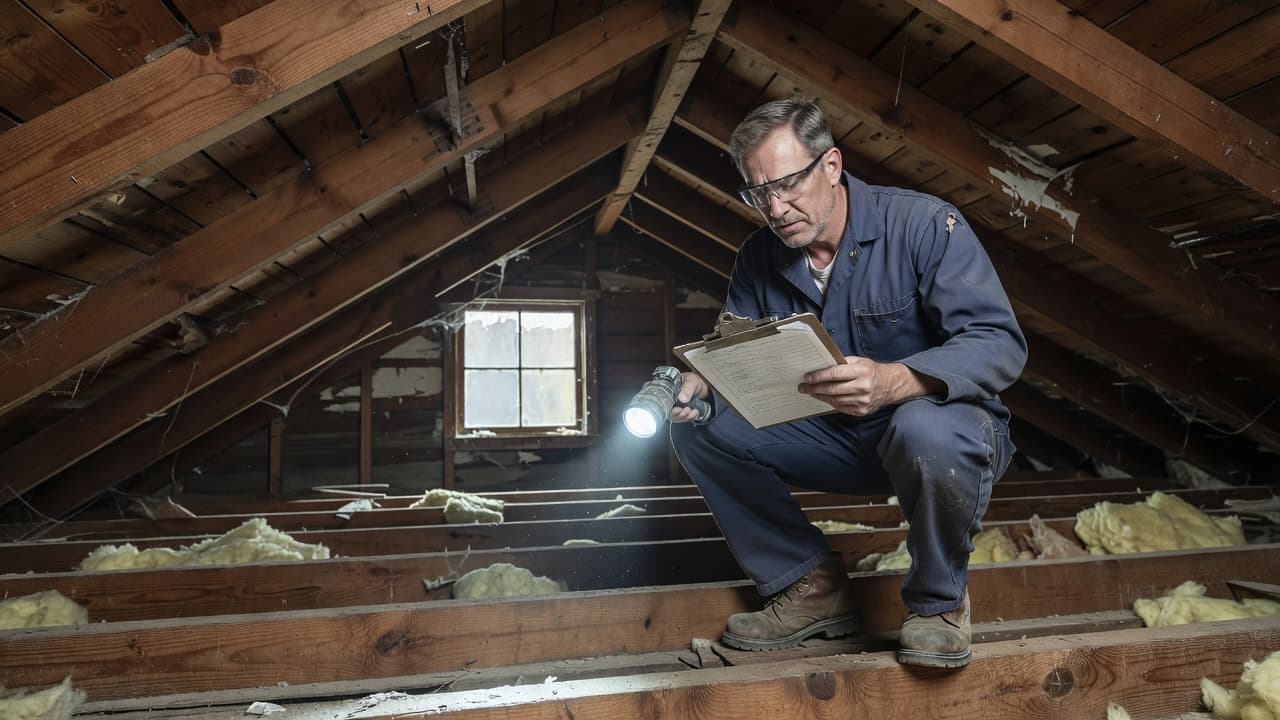
When vetting a property, pay close attention to the roof, foundation, plumbing, electrical panel, HVAC age, insulation, and signs of moisture. A sweet front porch can hide old wiring or leaking pipes that become costly once winter and spring start working on the house. Always ask what work was done, when it happened, and who handled the installation to avoid inheriting hidden liabilities; remember that significant changes—such as moving walls or reconfiguring systems—require professional oversight and permits to ensure safety and compliance.
The biggest problem areas to inspect
Pay close attention to the roof, foundation, plumbing, electrical panel, HVAC age, insulation, and signs of moisture. A sweet front porch can hide old wiring, leaking pipes, or cracks that become costly once winter and spring start working on the house.
When a remodel is cosmetic and when it is structural
It is important to distinguish between cosmetic updates, such as new paint, light fixtures, or countertops, and serious structural issues. Removing walls, moving plumbing, changing the floor plan, or updating the electrical service constitutes a larger job with more cost, more permits, and more chances for expensive surprises.
Code, permits, and surprise fixes
Older existing homes often need updates to meet current code when big work begins. In particular, outdated electrical systems frequently require costly upgrades to ensure safety and compliance. Furthermore, unpermitted projects can create significant trouble during inspection, appraisal, financing, or future resale. Always ask what work was done, when it happened, and who handled the installation to avoid inheriting hidden liabilities.
What new construction gives first-time buyers
For many first-time buyers, the biggest gift of new construction is a quieter first year. Fewer repairs can protect your cash and your weekends, allowing you to settle into your space without the immediate pressure of home improvement projects.
Lower maintenance in the early years
Newer furnaces, roofs, windows, and appliances usually need less attention at the start. Additionally, many builders provide builder incentives, such as credits toward closing costs or appliance packages, which can be a massive relief when your savings have already taken a hit from the down payment. Warranties also provide a safety net if something fails, offering peace of mind that a typical resale home cannot guarantee.
Cleaner energy use and modern layouts
Modern homes are designed to be highly energy efficient. Better insulation, newer windows, and updated heating and cooling systems can significantly lower your monthly utility bills. Beyond efficiency, open kitchens, larger closets, and smarter storage solutions match how many households live today, even if some buyers still prefer the character and soul found in an older property.
Limits that come with new construction
New does not mean perfect. You may find yourself paying extra for premium finishes, landscaping, or a more desirable lot, and HOA rules can sometimes restrict how you customize your exterior space. Furthermore, some neighborhoods require a few years of growth before trees mature and the area feels fully rooted in the community.
Navigating the Northern Colorado Housing Market
Where you buy in this region can matter as much as what you buy. In Northern Colorado, your specific location often decides whether a home feels easy to live in or becomes a challenge to maintain. We break down how different Northern Colorado communities and environmental factors impact your homeownership experience.
Inventory and neighborhood feel
Existing homes often occupy mature parts of Fort Collins, Loveland, or Greeley, where streets feel established and yards provide plenty of shade. New construction usually clusters in growing areas, although some buyers who want newer systems and more control start with custom home builders in Northern Colorado.
Climate, upkeep, and seasonal wear
Snow, wind, hail, freeze-thaw cycles, and summer irrigation all leave marks on local properties. Older roofs, siding, driveways, and exterior seals often require more attention to withstand these conditions, while newer materials may reduce the number of seasonal surprises you face throughout the year.
Commute, schools, and daily routines
A fixer-upper located near work, school, parks, or your favorite grocery store can be a better investment than a newer home located farther away. If future flexibility matters to you, an older lot may also offer room for options like building an additional dwelling unit.
How to decide which path fits your life
Use the same standards for every home. That keeps one charming porch or one glossy kitchen from making the whole decision for you.
Choose new construction if…
New construction fits buyers who want a cleaner budget, fewer early repairs, and a home that works on day one. It also suits people with tight schedules, low stress tolerance, or little room for project creep.
Choose a fixer-upper if…
An older home makes more sense when location matters most, character matters a lot, and you have money set aside for work. This path also works better for buyers who are prepared for the remodel road and opportunities it brings.
Lifestyle and Family Size
Your life stage often dictates whether you should pursue a new home vs fixer upper. A growing family often requires the convenience and safety of a move-in ready property to avoid the hazards and disruptions of an active renovation. Conversely, a single professional or a couple without children might prioritize building sweat equity in an older home, finding satisfaction in customizing a space over time as their budget allows.
Questions to ask before making an offer
- What will this home cost after repairs and upgrades?
- How much time will the work take?
- Which issues are cosmetic, and which are structural?
- Will this house still fit my life two years from now?
A simple checklist to compare both options
Put the inspection report, contractor estimate, and lender numbers on one page. Then compare move-in readiness, repair risk, monthly payment, and long-term upkeep side by side. When evaluating your mortgage loan, remember to account for your current cash reserves and how fluctuating interest rates might impact your ability to finance future renovations. The trade-offs in move-in-ready homes versus fixer-uppers become clearer when every house faces the same test.
Buying a home or considering a fixer-upper in Northern Colorado? Download our free Home Buying Inspection Checklist to help you spot potential red flags, ask better questions on inspection day, and feel more confident before you buy, budget, or begin renovations.
FAQs
Is new construction better than a fixer-upper? It is often the better choice for buyers who prioritize predictability and modern efficiency, though it may not align with every budget or preferred neighborhood.
How much should I budget for a remodel? You should determine your project budget based on local market rates and always set aside a contingency fund to cover unexpected renovation costs.
What should I focus on in an older home inspection? During a home inspection, pay close attention to the roof, foundation, plumbing, electrical systems, HVAC, and insulation to avoid future surprises.
Are builder incentives worth it? They can be a great way to save money upfront, especially if they are applied toward your closing costs, but ensure the final purchase price still aligns with your long term financial goals.
How can I tell cosmetic from structural work? Updates like paint, flooring, and fixtures are cosmetic. Conversely, moving walls, reconfiguring plumbing, or upgrading service panels are significant structural issues that require professional oversight.
What hidden costs do buyers miss? Permits, contractor changes, higher monthly utility bills, HOA dues, and immediate maintenance needs are common expenses that often slip past initial estimates.
Is an older Northern Colorado home a smart buy? It can be a fantastic investment, provided the location suits your lifestyle and a thorough home inspection supports the asking price.
How long should I plan to stay before choosing a fixer-upper? Planning for a longer stay gives you the necessary time to spread out renovation costs and truly enjoy the value you have added to the property.
Choose the house that fits your life
The right answer comes down to your personal balance of money, time, risk, and routine. Whether you are weighing a new home vs fixer upper, both options can be excellent investments if the total cost aligns with your long-term goals. While a charming vintage property or a move-in-ready new build can both provide a sense of home, success depends on whether the reality of ownership matches the life you want to lead after closing.
Before you fall for historic charm or fresh, modern finishes, take the time to compare your total ownership costs on paper. Look closely at how each choice impacts your property value over the next decade and confirm that the monthly mortgage payment allows you to live comfortably within your budget. Ultimately, the best house in Northern Colorado isn’t the one that looks the best during an initial tour. It is the one that still feels right on an ordinary Tuesday, balancing your financial security with your daily quality of life.
Ready to find the right fit Northern Colorado? Whether you’re drawn to the ease of a new build or the character and potential of a fixer-upper, Prosper Craft Homes can help you look beyond the listing photos and understand what it may truly take to make a home work for your life. From remodel possibilities and ADU potential to construction costs, timelines, and design vision, our team brings a builder’s eye to the home-buying process. Before you fall in love with a property, let’s walk through the possibilities together—so your next home supports your budget, your lifestyle, and your long-term vision.