
Do you feel like your backyard is just wasted space, or worse, a constant maintenance chore? Many homeowners avoid using their yard because it lacks shade, flow, or a comfortable place to sit. Creating beautiful outdoor living spaces turns that empty area into a true second home—a place with open air, soft light, and room to breathe.
For Northern Colorado homeowners, the best outdoor remodels prioritize comfort that holds up through intense sun, cool evenings, and fast seasonal shifts. These functional upgrades don’t just make a yard look better; they make daily life easier and boost home value when it’s time to sell.
Key Takeaways
- Outdoor living spaces add daily comfort and home value by creating usable areas like patios, decks, and shaded seating that feel like natural extensions of the home, especially in Northern Colorado’s variable weather.
- Prioritize durable materials such as composite decking, quality pavers, and weather-resistant fabrics to handle sun, freeze-thaw cycles, and wind while minimizing upkeep and maximizing longevity.
- Focus on versatile features with broad appeal—including shade structures, lighting, fire pits, and flexible layouts—to boost resale value and make the yard enjoyable for meals, gatherings, or relaxation year-round.
- Design for good flow, privacy, and zoning with built-ins like seat walls and planters to create an inviting space that matches your home’s style without over-customizing beyond neighborhood norms.
Why Outdoor Living Spaces Are More Than Just a Nice Extra
Outdoor areas used to be seen as a bonus. Now they’re part of how many people live at home. A good patio, deck, or outdoor living room gives you usable square footage without the cost of a full room addition.
That matters because people want homes that do more. A backyard can become a breakfast spot, a place for kids to spread out, or an entertainment space for dinner with friends. As a result, the house feels larger, more useful, and more welcoming.
How A Well Planned Outdoor Area Improves Daily Comfort
Comfort outdoors isn’t fancy. It’s shade at the right hour, chairs you want to sit in, and enough privacy to relax without feeling on display. It also means the path from your back door makes sense, so you’re not balancing plates across uneven grass.
In Northern Colorado, comfort also depends on timing. Morning sun can feel great in spring, while late afternoon heat can push everyone back inside by July. Because of that, placement matters. A pergola on the wrong side of the patio can leave the seating area exposed when you need cover most.
Small details do a lot of work. A smooth walking surface helps. Wind-blocking screens help. So does lighting that makes the space feel calm at dusk instead of harsh and flat. A smart layout with a focal point guides the eye and creates a cozy atmosphere. When those pieces come together, the yard stops feeling like extra land and starts feeling like part of the house.
Why Buyers See Outdoor Living As A Strong Selling Point
Buyers notice a usable outdoor living area right away. An empty patch of lawn can look like future work. A finished patio or deck feels ready on day one.
That first impression matters online and in person. Listing photos look stronger when they show a clean seating area, good lighting, and a sense of purpose. A home with a real outdoor living area also feels more complete, which can help it stand out against similar properties.
The value side is simple. According to NAR’s Remodeling Impact Report on outdoor features, owners report strong enjoyment from outdoor upgrades, and some projects can recover a meaningful share of cost at resale. A well-finished backyard often helps buyers picture themselves living there.
A good outdoor remodel earns its keep when you use it on an ordinary weeknight.
Remodel Ideas That Turn A Yard Into A True Outdoor Living Space
The best remodel ideas for an outdoor living area blend comfort and structure. They don’t need to be huge. They need to be easy to use.
Patios And Decks That Create A Natural Place To Gather
For many homes, the patio or deck is the anchor. It’s where meals happen, where people sit and talk, and where the whole yard starts to make sense. Size matters less than layout. A modest space with room for patio furniture like teak furniture, wicker furniture, or wrought iron sets often works better than a large slab with no clear zones.
Patios fit many Northern Colorado homes because stone, pavers, and quality concrete handle changing weather well. Decks can be a smart choice on sloped yards or where you want a closer tie to the back door. In both cases, keep circulation simple. Leave space to move around chairs. Place the grill where smoke won’t drift into the seating area. Make the dining zone close enough to the kitchen to feel easy.
 Shade, Lighting, And Weather Protection That Extend The Season
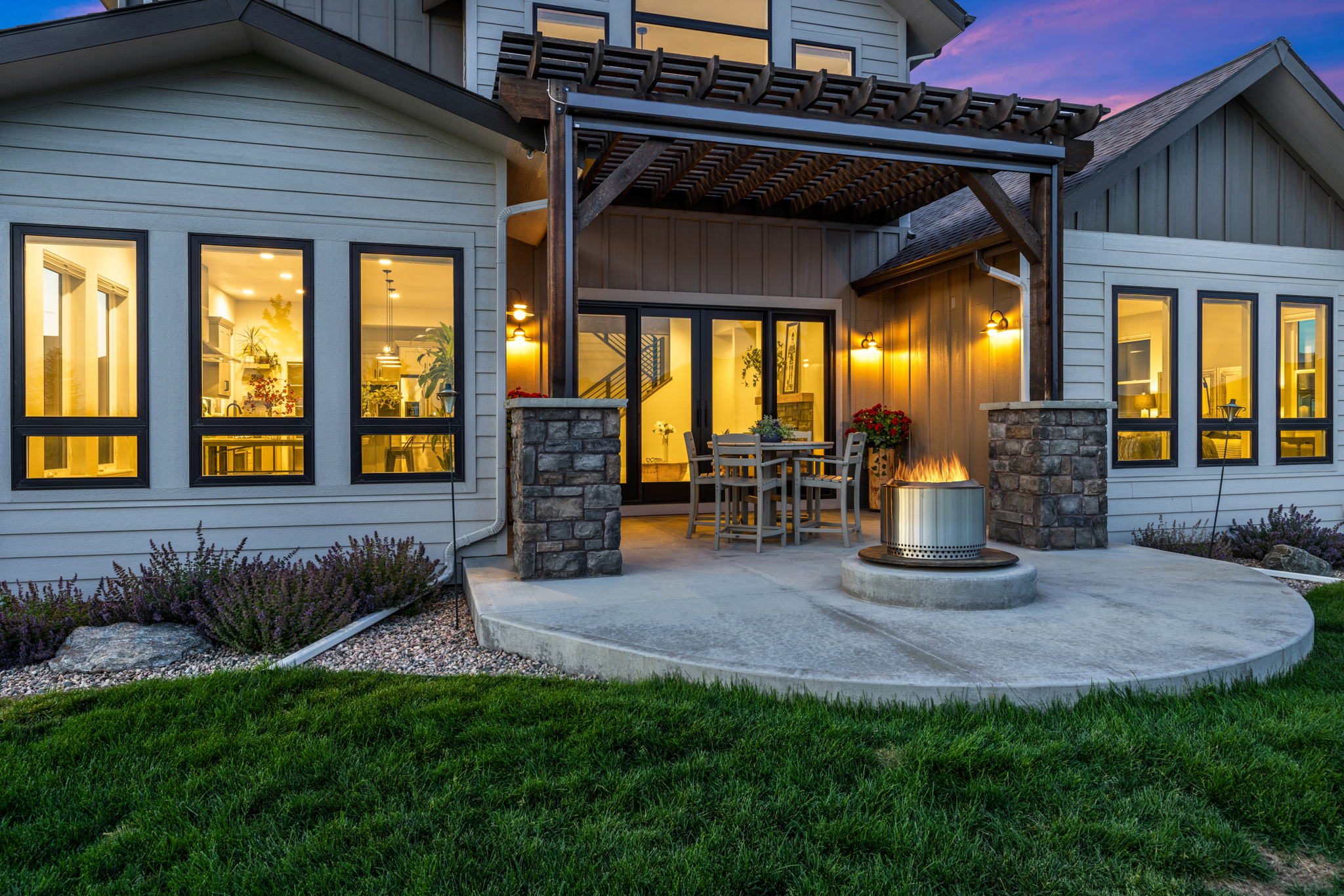
A beautiful patio loses value if it’s too hot at 4 p.m. or too cold after sunset. That’s why shade and weather protection matter so much here. Pergolas, gazebos, covered roof extensions, retractable shades, and privacy screens can cut glare and make the space usable for longer stretches of the day.
Then there’s the evening shift. String lights add warmth, but they shouldn’t do all the work. String lights paired with solar lights, outdoor lighting such as step lights, wall lights, or low path lights make the yard feel safe and settled. For cooler months, a ceiling fan under a cover can move summer air, while an outdoor heater or fire feature can take the edge off during spring and fall.
Recent outdoor project trends show steady demand for covered seating, patios and decks, and a stronger connection between indoor and outdoor living rooms. People want spaces they can use for more of the year, not just for a few perfect weekends.
Built-in Features That Make The Space Feel Finished
Built-ins give a backyard a sense of permanence:
- A seat wall defines the edge of a patio and adds extra places to sit.
- A fire pit serves as a natural focal point that pulls people together on cool nights.
- Planters soften hard surfaces and can guide the eye toward a view.
- Water features create a soothing focal point with their gentle sound and movement.
- An outdoor kitchen or outdoor bar doesn’t need to be elaborate. A simple counter, grill station, and storage cabinet may be enough. If you cook outside often, that setup saves steps and keeps the host in the conversation.
- Storage matters more than most people expect. A bench with hidden space for cushions or a cabinet for serving pieces cuts down on setup time, so the yard is easier to enjoy.
What Adds The Most Home Value Without Wasting Money
The smartest upgrades balance daily use with resale appeal. More spending doesn’t always mean more value. Good design, strong materials, and broad usefulness usually matter more.
Choose Durable Materials That Hold Up In Colorado Weather
Northern Colorado weather tests every outdoor surface. Summer sun can fade cheap finishes. Winter moisture can sneak into cracks, then freeze and push materials apart. Wind can rattle weak structures loose over time.
Because of that, durable, weather-resistant materials pay off. Decking materials like composite can reduce upkeep. Quality pavers and well-installed concrete can handle freeze-thaw cycles better than bargain options. Powder-coated metal, rot-resistant wood, and outdoor fabrics made for UV exposure often look better longer. You may pay more at the start, but fewer repairs can save money later.
 Match The Upgrade To The Home And Neighborhood
An outdoor remodel should look like it belongs with the house. A sleek concrete patio can feel right behind a modern home. A warm wood deck and stone details may suit a more traditional style. When the materials and lines match the home, the whole property feels more settled.
The budget should match the setting, too. If your home is modest and the neighborhood is mid-range, a luxury outdoor kitchen with high-end appliances may not come back at sale time. On the other hand, a clean patio, shade structure, and polished landscaping can lift the property without pushing it out of step with nearby homes.
Budgeting And Permits
Smart budgeting focuses on upgrades that deliver strong ROI for home value. Prioritize versatile features with proven appeal, and set aside 10 to 20 percent of your total budget for unexpected costs. Before starting construction, homeowners should check local municipal codes for required permits. This simple step prevents delays, fines, or rework that could eat into your investment.
Focus On Features That Many Buyers Actually Want
Broad appeal wins more often than highly personal upgrades. Most buyers like comfortable seating, outdoor lighting, and a yard that doesn’t demand constant work. They also like entertainment spaces that feel flexible, because one family might use the area for dinner while another wants room for kids or pets. To help buyers picture themselves in your yard, look for features that add immediate, practical value:
- Easy-care landscaping and sustainable decor: Native plants and low-maintenance shrubs reduce the time required to keep the yard looking fresh.
- Flexible layout: Design spaces that can transition from a casual lunch spot to an evening social area.
- Outdoor lighting: Low-voltage path and ambient lights ensure the area feels safe and usable after dark.
- Essential shade: Whether it’s a built-in pergola or a simple umbrella, a shaded zone is a top priority for buyers.
- Durable finishes: High-quality pavers or composite decking suggest long-term reliability and minimal repair work.
That practical focus fits current spending habits. HBS Dealer’s outdoor living trends report notes that many homeowners are still putting a large share of improvement budgets outdoors, while looking for multi-use features and long-lasting materials. In other words, a patio with built-in seating and planters may add more useful value than a flashy feature that only works for one lifestyle.
Keep the wish list grounded. Those choices photograph well, feel move-in ready, and help buyers picture easy weekends instead of a long to-do list.
How to Design An Outdoor Space That Feels Inviting Year Round
A backyard feels better when it works in every season, even if you use it in different ways throughout the year. Design should support both function and mood.
Use Layout And Flow To Make The Space Easy To Move Through
Good flow starts at the door. The route from the kitchen to the dining table should feel direct. The path to a grill or fire pit, serving as a natural focal point, should be clear. If guests have to weave around furniture or step over planters, the space feels smaller than it is.
Zoning helps. Give meals, lounging, an entertainment space, and play their own areas, even in a compact yard. A rug can define a seating group. A change in paver pattern can mark the dining area. A planting bed can separate active space from a quiet corner. Because the layout has purpose, the whole yard feels calmer and more useful.
Add Privacy, Greenery, And Soft Touches
Hard surfaces need balance. Shrubs, ornamental grasses, raised planters, and a vertical wall garden soften edges and bring movement when the wind picks up. A privacy hedge, fence panels, or layered plantings can block views without making the yard feel boxed in.
Soft materials matter, too. Outdoor rugs warm up a patio. Outdoor cushions and throw pillows make comfortable seating on built-in benches feel welcoming. Throws stored nearby can stretch a chilly evening. Sustainable decor like weather-resistant fabrics enhances the cozy atmosphere. Even the sound of leaves and grasses can make the space feel more restful.
The goal isn’t to fill every inch. Leave room for air, sight lines, and easy care. A backyard feels most inviting when it has structure, a little softness, and a clear reason to stay outside.
Maintaining Your Outdoor Space
Keep your design thriving year round with this simple seasonal checklist:
- Spring: Clean surfaces, prune shrubs, and refresh mulch for new growth.
- Summer: Water plants regularly and inspect for wear on fabrics or furniture.
- Fall: Rake leaves, store cushions, and protect features from frost.
- Winter: Cover furniture, drain water features, and clear debris to prevent damage.
Frequently Asked Questions
What materials work best for outdoor living spaces in Northern Colorado?
Northern Colorado’s intense sun, cool evenings, and freeze-thaw cycles demand durable choices like composite decking, quality pavers, stamped concrete, powder-coated metal, and UV-resistant fabrics. These hold up better than cheap alternatives, reducing repairs and keeping the space looking sharp for resale. Matching materials to your home’s style ensures the upgrade feels cohesive.
How do outdoor living spaces boost home value?
Well-designed outdoor areas appeal to buyers by offering move-in-ready comfort, strong first impressions in photos, and added usable square footage without a full addition. Features like shaded patios, lighting, and fire pits recover a meaningful share of costs at resale, per NAR reports, especially when they emphasize broad usability over flashy extras. They help homes stand out in listings by evoking easy, everyday enjoyment.
What are essential features for a comfortable outdoor remodel?
Key elements include shade via pergolas or retractable awnings, layered lighting from string lights to path lights, and built-ins like fire pits, seat walls, and simple outdoor kitchens for gathering. Good layout ensures smooth flow from the house, with zones for dining and lounging, plus privacy screens and low-maintenance plants. These extend usability through seasons while keeping maintenance simple.
Do I need permits for an outdoor living project?
Yes, check local municipal codes before starting, as patios, decks, pergolas, or fire features often require permits to avoid fines, delays, or rework. Budget 10-20% extra for surprises, and prioritize versatile upgrades with proven ROI. This step keeps your investment on track and compliant.
How can I make my outdoor space usable year-round?
Layer shade, heaters or fire features, and weather protection to handle heat, chill, and wind, paired with durable finishes and easy flow from indoor areas. Add zoning for different activities, soft greenery for privacy, and seasonal maintenance like cleaning in spring or covering in winter. The result is a yard that invites use on ordinary days, not just perfect weekends.
A Backyard That Pays You Back Every Day
The best outdoor living spaces add value because they add comfort first. When a yard is easy to use, fits the house, and holds up through Colorado weather, it becomes part of daily life instead of a project you keep postponing.
A smart remodel doesn’t need every premium feature. It needs a strong layout with a clear focal point, durable materials, useful shade, and details that make the space feel finished. Build with care, and your outdoor area can be both a sound investment and one of the best parts of living at home.
Ready to start your own project? Before you pick out furniture or break ground, think about how your family spends time outdoors today and what simple changes would make that time better tomorrow. Start with the basics of comfort, invest in materials that handle our local climate, and build a space that feels like a natural extension of your home. By keeping your focus on usability and lasting quality, you’ll create your own outdoor oasis and backyard paradise, one that rewards you with better weekends and stronger home value for years to come.
Related Reading
If you’re planning to improve your outdoor space, landscaping plays just as important a role as patios, decks, and outdoor living areas. For more ideas on creating a beautiful and sustainable yard in Northern Colorado, check out our guide: “Xeriscaping in Colorado: Sustainable Water Conservation Tips for 2026.” You’ll learn how thoughtful plant selection, efficient irrigation, and low-maintenance landscaping can help reduce water use while enhancing your home’s curb appeal.