
Are you tired of high electric bills and a house that feels like an oven by 3 p.m.? Stop wasting money on an overworked air conditioner and start reclaiming your comfort. While the views of the Rocky Mountains are stunning, the high-altitude sun is intense and can quickly turn your living space into a heat trap. This practical, room-by-room guide helps you identify hidden heat sources and air leaks unique to the Front Range, giving you a clear roadmap to lower cooling costs and a cooler home all summer long.
A home energy audit helps you find where heat enters, where cooled air escapes, and where airflow falls short. By working through this checklist, you can identify effective, low-cost fixes to better manage your cooling costs in Northern Colorado or across the plains of Northeast Colorado.
Key Takeaways
- Afternoon sun hitting west-facing glass often creates the biggest comfort challenges for homes across Northern Colorado, especially in areas like Greeley, making an effective summer energy audit essential.
- Homeowners performing a DIY energy audit for the first time must learn to identify hidden systems and structural inefficiencies that aren’t always obvious at a glance.
- Air leaks around attic hatches, exterior doors, windows, and utility penetrations frequently waste expensive cooled air, driving up your summer cooling bills.
- Keeping air filters clean, vents unobstructed, and outdoor equipment clear of debris helps your air conditioning system deliver its full cooling capacity during Northern Colorado heat waves.
- Take advantage of cool nights for natural ventilation, then close windows and window coverings before the peak afternoon heat arrives to maintain home energy efficiency.
- If you deal with persistent hot rooms, high energy bills, or weak airflow, prioritize diagnostic testing and a professional cooling energy audit in Northern Colorado before assuming your home needs an automatic equipment replacement.
Why Northern Colorado Homes Need a Different Summer Cooling Check
Northern Colorado features a unique semi-arid climate that significantly impacts how cooling equipment performs. Our regional geography, high elevation, dry air, and intense sun all shape the conditions your home has to stand up to every summer.
Because of our higher elevation, particularly across the high-terrain pockets of Larimer County and the expansive plains of Weld County, the air is thinner and carries less heat. Air conditioners across these communities may deliver less cooling capacity than the same equipment would at sea level.
Our regional weather patterns also reward smart timing. A home in Northern Colorado may reach 90 degrees in the afternoon, only to cool sharply overnight. Opening windows early in the morning or late in the evening can help flush out stored heat. Once the sun climbs, however, windows and shades must be closed to prevent solar gain from overwhelming that cooler air.
South and west facing rooms deserve extra attention. Strong high-altitude sunlight heats glass, flooring, furniture, and walls, which then release heat long after the sun moves. Many regional energy-saving reminders recommend raising thermostat settings modestly and shifting heat-producing chores away from peak hours to keep your home comfortable.
Dust, pollen, and periodic wildfire smoke add another local concern. Filters and outdoor coils can load up faster during dry stretches, restricting airflow exactly when the system needs to work at its best.
A cooling problem often starts outside the thermostat. Find the heat source and the air leaks before changing equipment.
The Summer Home Energy Audit Checklist, Room by Room
Start on a warm afternoon, when temperature differences make trouble spots easier to notice. Bring a flashlight, a notepad, a tissue, and a basic indoor thermometer. Record the rooms that feel hottest and note the time of day. Work slowly and methodically through each area so you don’t miss the small leaks that add up to real cooling losses.
Inspect the exterior shell and attic first
Walk around the house and look for gaps where pipes, cables, vents, or refrigerant lines pass through siding. Cracked caulk and missing sealant let hot outdoor air enter the wall system. Seal small exterior gaps with an appropriate exterior-rated caulk, but leave dryer vents, combustion vents, and weep holes clear. If your home is located on the windy Eastern Plains, you may find that wind-driven air infiltration around rim joists and sill plates is a primary contributor to your cooling loss.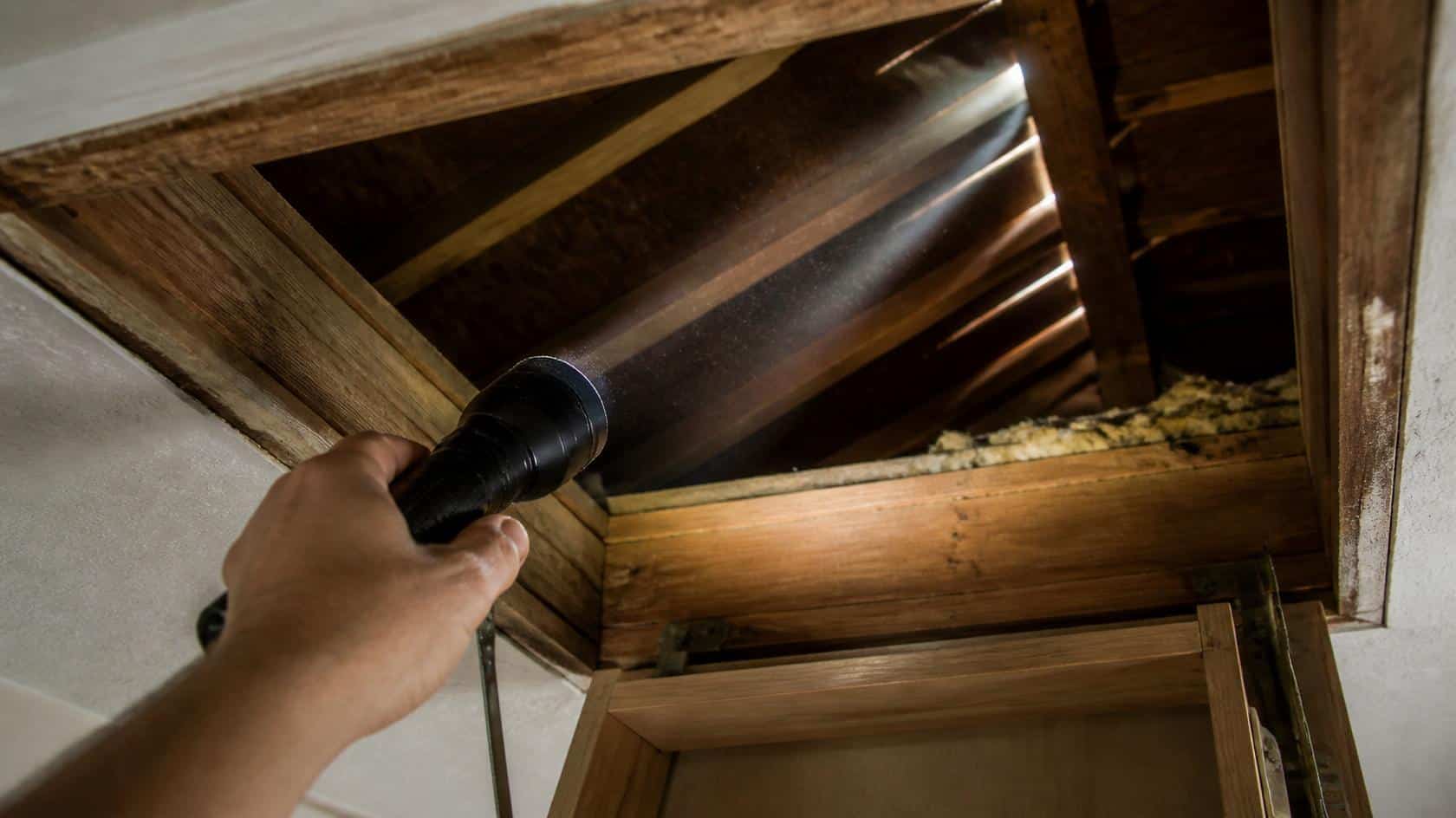
Next, check exterior doors. If daylight shows around the frame, or the door rattles when closed, replace worn weatherstripping. Sweep a tissue near the latch side and threshold while the AC runs. Movement can point to an air leak.
Inside, inspect the attic hatch. A bare, unsealed hatch can act like an open window into a hot attic. Add weatherstripping around the opening and attach rigid foam insulation to the hatch cover if it lacks insulation. Also look for gaps around recessed lights, duct chases, and plumbing penetrations on the attic floor.
A home built with airtight construction, quality insulation, and high-performance windows loses far less conditioned air. Those principles guide Passive House energy efficiency standards, even when you are improving an existing home one repair at a time.
Check windows, sun exposure, and each lived-in room
Stand near windows during the hottest part of the day. Radiant heat on your face, hot trim, or a warm sill signals a solar-gain problem. Start with the west side, then inspect south-facing glass. In Northern Colorado, where intense high-altitude sunlight can quickly overwhelm indoor cooling, managing solar heat gain is essential.
Close cellular shades or lined curtains before the afternoon sun hits. Exterior awnings, shade screens, and strategically placed deciduous trees stop more heat because they block sunlight before it reaches the glass. Window film can also help on a difficult west-facing window, provided it is compatible with your window manufacturer’s glass warranty.
Then move through each room:
- Check that supply vents and return grilles are open and not blocked by rugs, sofas, or bookcases.
- Compare room temperatures with a reliable thermometer, especially upstairs bedrooms and rooms over garages.
- Look under sinks and behind appliances for unsealed holes around plumbing and wiring.
- Examine fireplace dampers and pet doors, which can leak conditioned air when they do not close tightly.
- Run ceiling fans counterclockwise in summer, then turn them off when rooms are empty.
Keep interior doors open if a room has no return-air path. Closing doors can create pressure differences that reduce supply airflow. If one bedroom stays warmer despite open vents and shaded windows, mark it for a duct or insulation inspection. This is particularly common in homes near the border of Boulder County and across Northeast Colorado, where varying architectural styles and building orientations impact how air circulates through multi-story floor plans.
Review ducts, thermostat, and outdoor equipment
Look at accessible ducts in the basement, crawlspace, garage, or attic. Loose connections, torn insulation, and gaps at metal joints can send cooled air into spaces you do not occupy. Use mastic sealant or UL-rated foil tape for small accessible gaps. Standard cloth duct tape does not hold up in hot conditions. 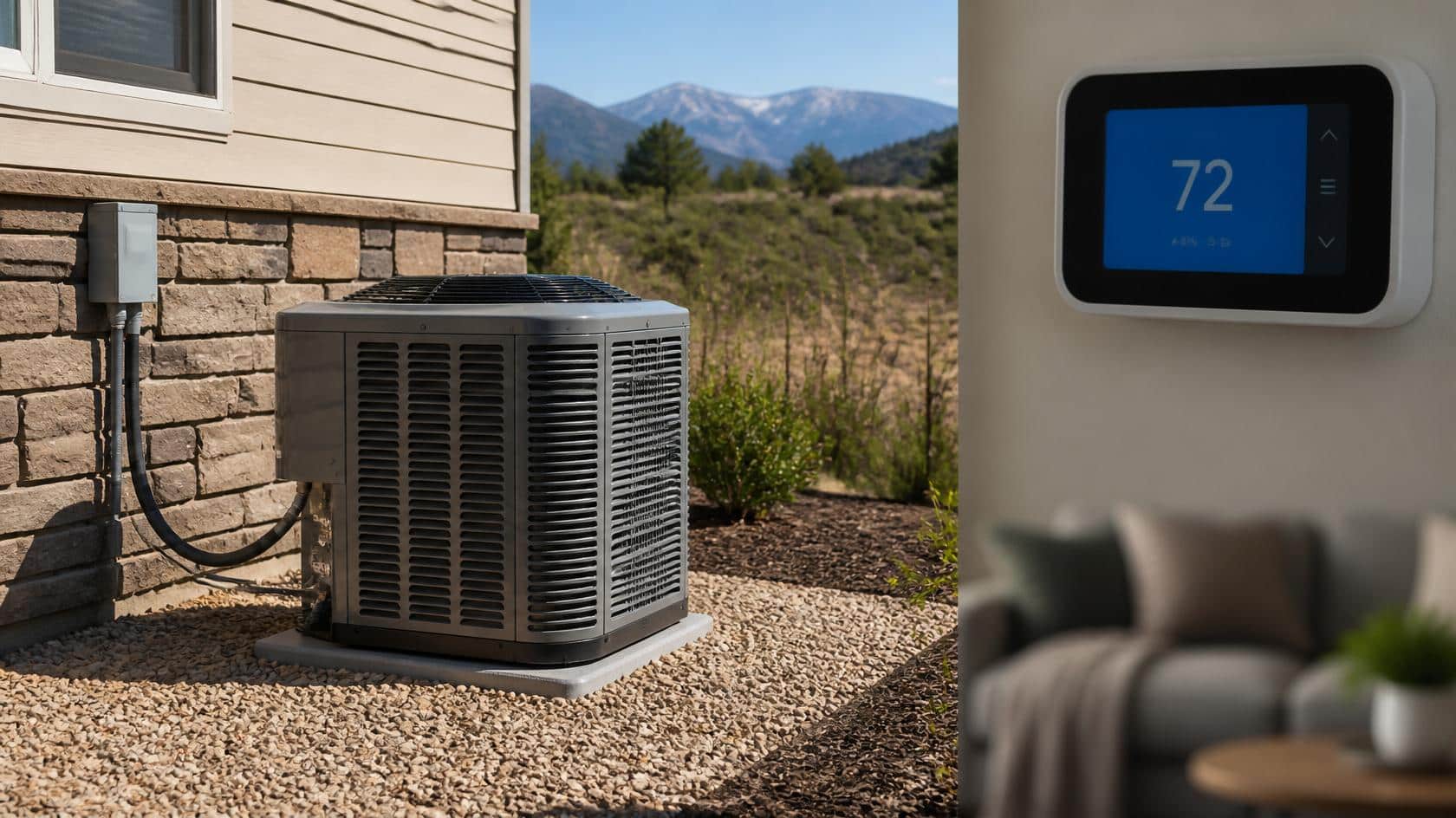
At the thermostat, compare the displayed temperature with a separate thermometer placed nearby, away from direct sun. A difference greater than a few degrees can distort cooling cycles. Also review the schedule. Set a comfortable but realistic temperature, rather than driving the system harder after the house has already overheated.
Outside, clear leaves, cottonwood fluff, grass clippings, and windblown dirt from around the condenser. Keep roughly two feet of open space around the unit. Turn off power before rinsing the coil gently with a garden hose, and never use a pressure washer.
Low-Cost Ways to Reduce Cooling Costs This Summer
Rank your findings by cost, effort, and likely comfort improvement. The first round of improvements usually costs less than a service call, such as replacing a dirty filter, weatherstripping a door, sealing the attic hatch, and closing window coverings before the hottest hours of the day.
Check the filter every month during heavy use throughout Northern Colorado. Replace it sooner if it looks gray or clogged, or if wildfire smoke has been present. A filter that is too restrictive can reduce airflow, so use the rating recommended for your system rather than choosing the densest filter on the shelf. Additionally, check your local utility provider’s website, such as Xcel Energy or Platte River Power Authority, to see if there are specific HVAC rebate programs available in Weld County or your specific municipality.
Use night air carefully to combat Northern Colorado heat. When outdoor temperatures fall below indoor temperatures, open windows on opposite sides of the house and use window fans to move hot air out. Close them again before the day heats up. If smoke, high pollen, or poor outdoor air quality is present, keep windows shut and use the HVAC filter instead.
Delay oven use, clothes drying, and dishwashing until evening when possible. These appliances add heat indoors, which makes the air conditioning unit run longer. A few coordinated repairs usually beat one expensive purchase. Sealing leaks, shading hot glass, cleaning the system, and correcting blocked vents reduce the thermal load before your air conditioner has to handle it in our unique Northern Colorado environment.
When a Professional Energy Audit or HVAC Visit Makes Sense
Call a qualified professional when you find persistent hot rooms, large temperature differences between floors, visible duct damage, ice on refrigerant lines, frequent cycling, or rising energy bills despite basic maintenance. These symptoms require expert measurement and precise diagnostics to pinpoint the real cause before you spend money on repairs.
Finding the right contractor takes some research, but it is worth the effort to ensure your home performs at its best. If you are considering a professional energy audit in Northern Colorado, you should expect costs to typically range from $200 to $500. However, many local utilities offer discounted or even free home walk-through programs that can significantly reduce that cost.
A standard HVAC visit should include airflow checks, electrical inspection, condensate drainage, coil condition, thermostat accuracy, and cooling performance. Northern Colorado systems require technicians who understand the nuances of high-altitude charging and specific equipment setup.
Request a written list of findings, recommended repairs, total costs, and estimated savings. A professional diagnosis often points to simple sealing, duct repairs, control updates, or insulation upgrades rather than the need for an immediate system replacement.
Frequently Asked Questions
How often should I check my air conditioner filters during a Northern Colorado summer?
You should inspect your AC filter at least once a month during the peak cooling season. In our dry Northern Colorado climate, or when wildfire smoke is present, the filters can clog faster. This restricts airflow and forces your system to work significantly harder to keep your living space comfortable.
Can I really cool my home just by opening windows at night?
Yes, the significant temperature drop overnight in Northern Colorado makes natural ventilation very effective. Whether you live in Fort Collins, Greeley, or a nearby residential neighborhood, you should open windows when the outside air is cooler than the indoor temperature and use fans to flush out heat. Just ensure they are tightly closed and shaded before the morning sun intensifies.
Which rooms should I prioritize for energy efficiency improvements?
Start by focusing on south and west-facing rooms, as these areas experience the most intense solar gain during our high-altitude afternoons. Addressing heat entry through these windows and checking for insulation or duct issues in upstairs bedrooms will provide the most noticeable impact on your home comfort and monthly utility bills.
Why does my air conditioner seem to work harder here than in other states?
Our high elevation means the air is thinner, which reduces the cooling capacity of standard HVAC equipment compared to sea level performance. This is a common concern throughout Northern Colorado and Northeast Colorado, and it’s one of the main reasons professional maintenance and proper system sizing matter so much in our region.
Make Hot Afternoons Easier to Live With
Follow the steps that produce the clearest results: find unwanted heat, stop air leaks, protect the windows, improve airflow, and use your cooling system wisely. Complete these easy checks first, then monitor your next electric bill and note which rooms feel more comfortable. Whether you are renting your first place or have been a homeowner for years, these simple maintenance tasks are a reliable way to lower cooling bills and save money. If you need additional help with efficiency upgrades, some local utility programs even offer rebates or incentives to help cover the costs.
Small improvements add up quickly. A sealed attic hatch, a shaded west window, a clean air filter, and properly working vents can make every summer afternoon feel significantly cooler, quieter, and less expensive. By taking these proactive steps, you ensure your home stays efficient throughout the peak heat of the season, helping every Northern Colorado resident maintain a comfortable living environment while keeping energy costs under control across Weld County.
Found Bigger Issues During Your Audit? Let’s Talk Remodel
Some fixes from this checklist are quick DIY wins. But if your audit turned up aging single-pane windows, uninsulated walls, a leaky attic that no amount of caulk can fix, or rooms that stay hot no matter what you try, those are signs your home’s envelope needs more than a patch job. This is where a targeted remodel, whether it’s new windows, added insulation, or a broader energy-efficient renovation, delivers a return you’ll feel every summer and winter for years to come.
Request a free remodel quote from Design Build Prosper and let’s turn your energy audit findings into a plan that keeps your Northern Colorado home comfortable, efficient, and ready for whatever the Front Range weather brings next.